Seasonal Wildlife Issues Homeowners Should Watch For
Homeowners seeking seasonal wildlife removal often aim to prevent damage and ensure safety, with local service providers ready to handle these issues effectively.
Homeowners in the area who want to protect their property throughout the changing seasons will find this information valuable. Seasonal wildlife issues homeowners should watch for can vary depending on the time of year, with different animals becoming more active or seeking shelter around homes. Being aware of these patterns helps prevent potential damage, such as nests in attics or burrows near foundations, and minimizes the risk of unwanted wildlife encounters. Exploring this topic can provide practical insights into how seasonal shifts influence wildlife behavior and what steps can be taken to keep homes safe and secure.
For those interested in maintaining a healthy and pest-free property, understanding the seasonal wildlife challenges is essential. Local contractors specializing in wildlife removal can offer effective solutions to address these issues, helping homeowners manage or prevent infestations caused by animals seeking refuge during specific times of the year. Continuing to read can uncover useful tips on identifying early signs of wildlife activity and how professional services can support a proactive approach to seasonal wildlife management.
- Bird nesting season - homeowners should watch for signs of bird nests in eaves and vents, with local contractors safely removing nests and preventing future entry points.
- Rodent activity in fall - as temperatures drop, rodents seek shelter indoors, and local service providers can identify entry points and set humane exclusion measures.
- Spring wildlife emergence - during spring, wildlife such as raccoons and squirrels become more active, prompting pros to inspect attics and rooflines for signs of intrusion.
- Summer insect and animal swarms - increased insect activity and small animals like bats may enter homes, with local experts implementing exclusion and removal strategies.
- Winter sheltering behavior - wildlife often seeks warmth inside homes during winter, and local contractors can identify and seal entry points to prevent infestations.
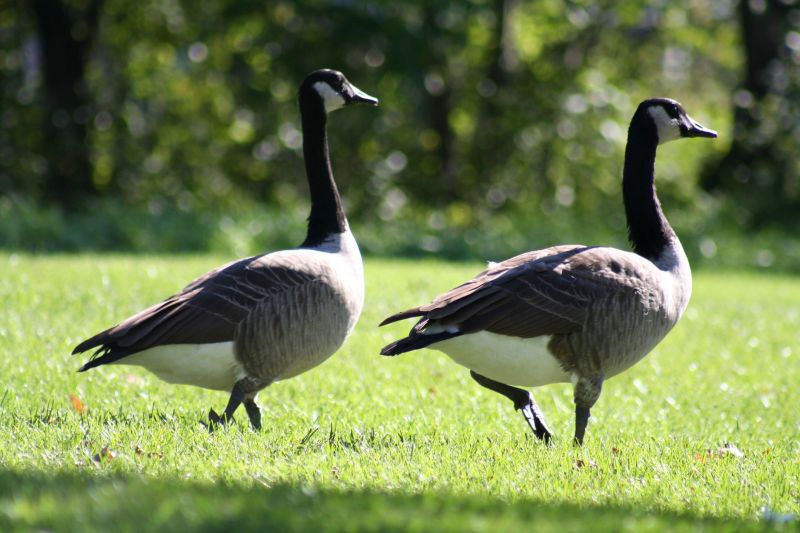
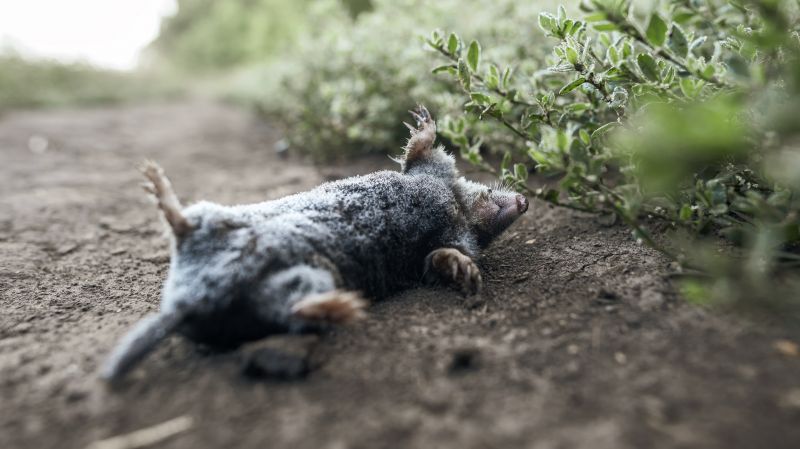
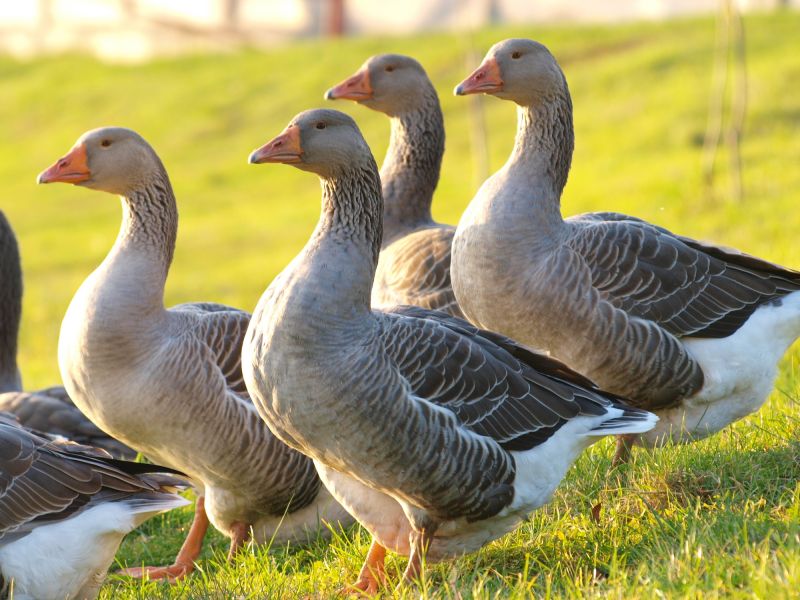
Seasonal wildlife issues homeowners should watch for often relate to the natural behaviors and migration patterns of local animals throughout the year. During certain seasons, animals such as raccoons, squirrels, bats, birds, and rodents become more active around residential properties as they seek food, shelter, or mates. Homeowners might notice increased animal activity near their roofs, attics, garages, or yards during these times. Recognizing these seasonal shifts can help prevent larger problems, such as property damage or pest infestations, by addressing wildlife concerns early. Local contractors who specialize in wildlife removal can provide guidance on how to identify signs of seasonal activity and implement effective exclusion methods.
These seasonal wildlife issues are frequently connected to specific property features that either attract or provide access points for animals. Homes with accessible attics, chimneys, vents, or gaps in siding are especially vulnerable during peak activity periods. Properties in wooded or rural areas tend to experience more frequent encounters with wildlife, but even suburban homes can become targets during certain seasons. Common problems include animals nesting in attics, chewing through wiring, or creating entry points that allow further pest intrusion. Planning ahead for these seasonal risks often involves inspections and repairs that local service providers can assist with, ensuring that properties are better protected during vulnerable times.
Understanding how seasonal wildlife issues relate to property maintenance and planning can help homeowners take proactive steps. For example, during spring and fall, animals may be more likely to seek shelter or establish nests, making it a good time to check for potential entry points. In winter, animals might try to access warm indoor spaces, leading to increased activity around vents or chimneys. Homeowners should be aware of these patterns and consider seasonal inspections to identify vulnerabilities. Local wildlife removal professionals can evaluate properties for signs of seasonal activity and recommend targeted exclusion or removal strategies, helping to minimize damage and prevent unwanted animal visits.
The types of properties affected by seasonal wildlife issues vary widely but generally include any home with features that can be exploited by animals. Older homes with gaps, vents, or unused chimneys are common targets, as are properties with nearby trees or shrubbery that provide cover and access routes. Rural farms, vacation cabins, and suburban houses alike may experience seasonal wildlife challenges. Addressing these issues often involves a combination of exclusion techniques, habitat modification, and ongoing monitoring, which local contractors can provide. By understanding the seasonal patterns and property vulnerabilities, homeowners can better plan for wildlife management efforts and reduce the risk of surprises during critical times of the year.
Bird Control Projects - These projects involve installing bird deterrents or nest removal, skills that align with addressing seasonal wildlife issues like bird infestations around homes.
Attic Insulation and Ventilation - Proper insulation and ventilation help prevent wildlife from nesting in attics, a common concern during certain seasons.
Gutter Cleaning and Repair - Clearing and maintaining gutters reduces habitat opportunities for animals seeking shelter during seasonal wildlife issues.
Exclusion and Barrier Installation - Installing barriers to prevent entry points is essential for safeguarding homes against wildlife intrusions during peak seasons.
Rodent Proofing Services - These projects focus on sealing entry points and controlling rodents, which often become active during specific times of the year.
Tree and Shrub Trimming - Pruning overgrown branches reduces access points for wildlife seeking shelter close to the home during seasonal issues.
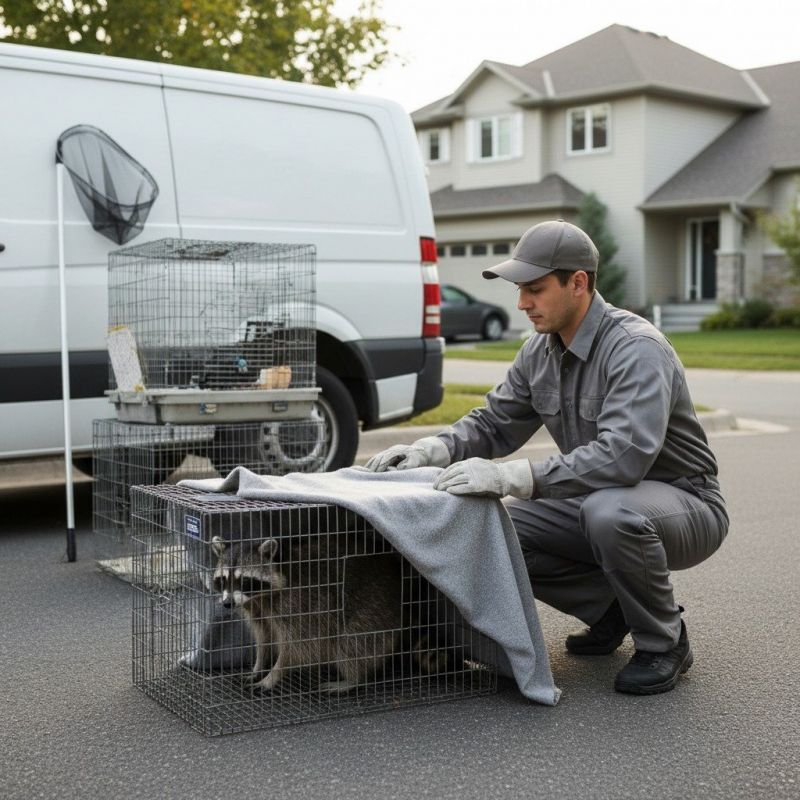
When comparing local contractors for seasonal wildlife removal, it is important to consider their experience with similar projects. Homeowners should look for service providers who have a proven track record of effectively handling wildlife issues that are common during specific seasons. An experienced contractor will understand the behaviors of local wildlife and the most appropriate methods for humane removal, which can help ensure the job is done thoroughly and correctly the first time.
Clear written expectations are essential when evaluating potential service providers. Homeowners should seek out contractors who provide detailed descriptions of the services they offer, including the scope of work, methods used, and any follow-up or preventative measures. Having this information in writing helps prevent misunderstandings and ensures that both parties are aligned on what will be done to address seasonal wildlife issues.
Reputable references and good communication are key indicators of a reliable service provider. Homeowners are encouraged to ask for references from previous clients who experienced similar wildlife concerns. Additionally, a contractor who maintains open and transparent communication can better address questions or concerns throughout the process. Choosing a local contractor who values clear communication and has positive references can lead to a smoother experience when managing seasonal wildlife issues.
Property owners often search for seasonal wildlife issues homeowners should watch for when they are planning practical projects around their homes and businesses. Local pros provide Seasonal Wildlife Removal services for everyday jobs and straightforward project options.
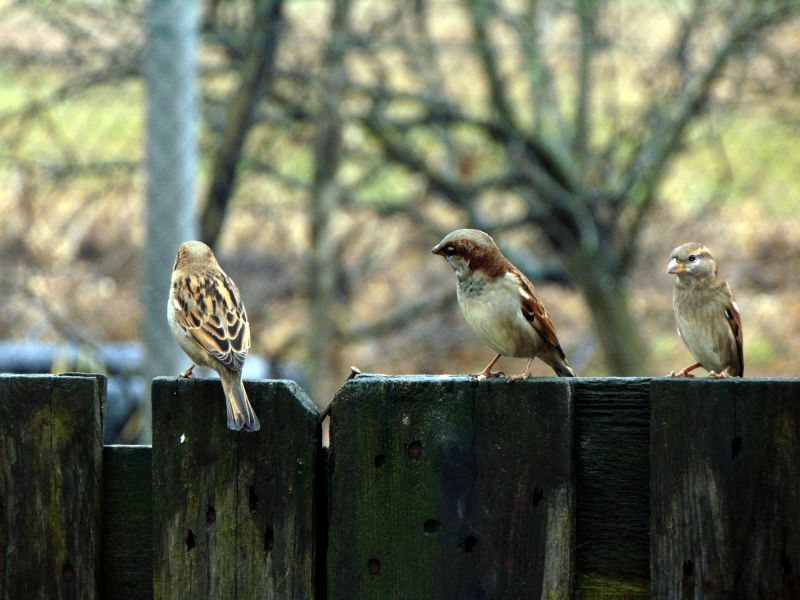
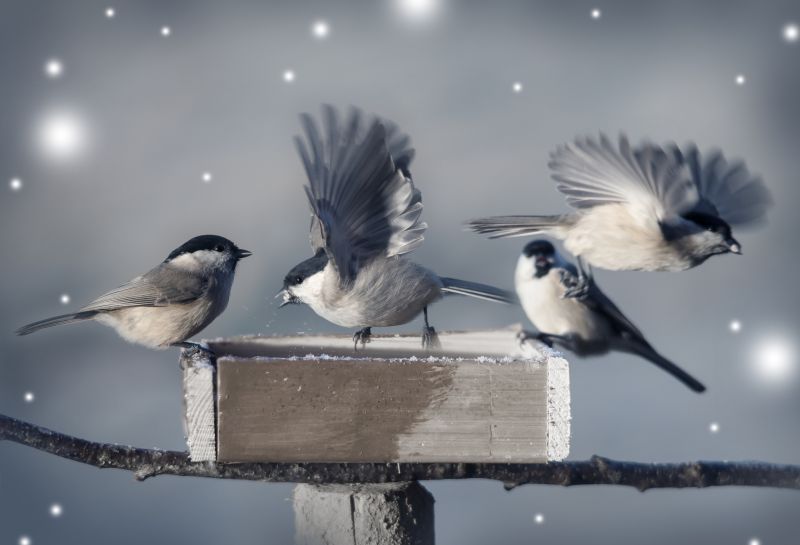
As seasons change, homeowners may notice signs of wildlife activity that can become problematic if left unaddressed. For example, during spring and summer, bird nests and critters like squirrels or raccoons may seek shelter in attics, vents, or under decks, potentially causing damage or creating entry points for pests. In fall and winter, animals such as mice or bats might attempt to find warmth inside the home, leading to infestations that can be difficult to manage without professional assistance. Recognizing these seasonal wildlife issues early can help prevent property damage and avoid more costly repairs later on.
Local contractors specializing in wildlife removal are equipped to handle these common seasonal challenges safely and effectively. Homeowners who notice unusual noises, droppings, or signs of animal entry are encouraged to consider reaching out to experienced service providers for inspection and removal services. These professionals can help identify vulnerable areas, implement humane removal methods, and secure the property against future wildlife intrusions, ensuring a safe and comfortable home throughout the year.
What wildlife issues tend to occur during spring and early summer? During these seasons, homeowners should watch for increased activity of birds nesting, raccoons seeking shelter, and squirrels preparing for new offspring, which can lead to nesting in attics and chimneys. Local contractors can help identify and address these issues before they cause damage or health concerns.
How can I tell if animals are nesting in my home during fall? Signs include scratching sounds in walls or ceilings, droppings near entry points, and unusual odors. Seasonal wildlife issues during fall often involve raccoons, squirrels, and bats seeking warm shelter, and local pros can safely remove and prevent these problems.
What wildlife problems are common in winter? In colder months, animals like mice, rats, and squirrels may seek warmth inside homes, often entering through small openings. Local service providers can help identify entry points and implement exclusion measures to prevent infestations.
What should homeowners watch for during late summer? Late summer can see an increase in bird activity, especially with young birds learning to fly, and the presence of wasps or hornets building nests. Local pros can assist with safe removal and prevention strategies.
Are there specific signs of wildlife issues to look for in early fall? Yes, homeowners should watch for signs like chewed wires, disturbed insulation, or new nests in attic spaces, often caused by squirrels or raccoons preparing for winter. Local contractors can help address these issues promptly and effectively.
Inspect attic vents - homeowners can check for signs of wildlife entry and work with local contractors to install wildlife-proof vents before animals find their way inside.
Secure outdoor trash areas - property owners can ensure bins are tightly closed and collaborate with local pros to implement wildlife-resistant containers to prevent attractants.
Monitor tree branches - residents can trim branches near the house to reduce access points and seek assistance from local wildlife removal experts to identify and address potential entry spots.
Seal gaps and cracks - homeowners can identify small openings around the home and hire local contractors to properly seal them, preventing seasonal wildlife issues.
If you are thinking about seasonal wildlife issues homeowners should watch for for a property, this guide is meant to help you understand this topic, the typical project types, and how different options might fit your plans.
When you are ready, you can use the quote form on this page to share a few details about your project. From there, local pros can review the basics and follow up with options that match what you have in mind.